
Bringing a new human into the world is a beautiful thing, but the sheer amount of plastic waste that usually follows? Not so much. From the mountain of disposable diapers to the short-lived plastic gadgets, early parenthood can leave a massive footprint. If you’re a first-time parent in 2026, you’re likely looking for a better way. You want zero-waste essentials that don’t just protect the planet, but more importantly, protect your baby from the microplastics and harsh chemicals found in traditional gear.
At Kindyly, we’ve redesigned the “newborn experience” to focus on circularity. We believe that the best eco-friendly baby products are those that serve a purpose, last for years, and eventually return to the earth without leaving a trace.
Why Zero-Waste is the New Standard for 2026 Parenting
We’ve moved past the era where “green” was just a buzzword. Today, choosing sustainable baby gear is about endocrine health. Synthetic fabrics and cheap plastics often contain phthalates that can disrupt a baby’s developing system. A zero-waste approach naturally steers you toward glass, organic cotton, and natural rubber—the safest materials for a brand-new immune system.
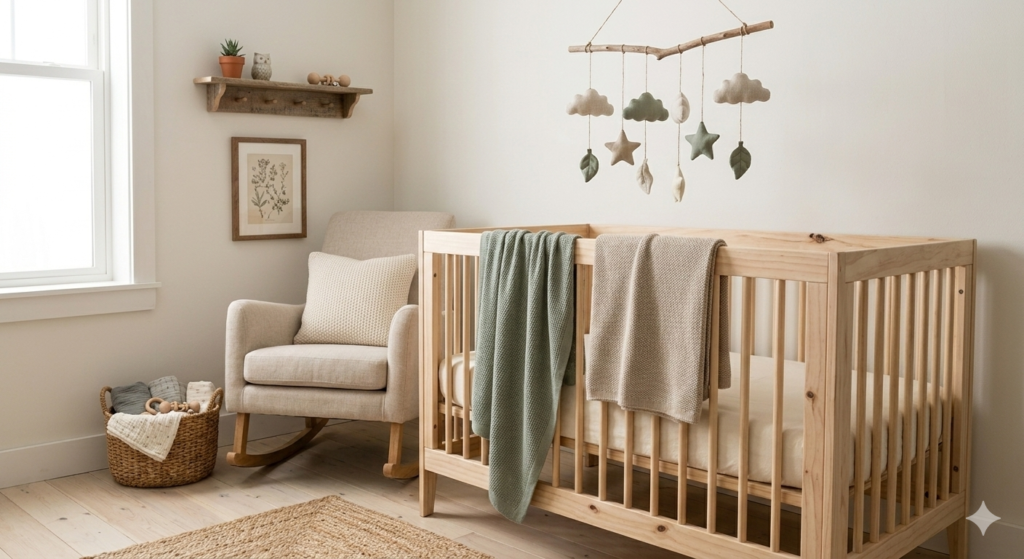
Building a Plastic-Free Nursery (The Eco-Foundation)
Your baby will spend about 16 hours a day in their nursery. Making this a “clean air zone” is the first step in your sustainable journey.
Sustainable Bedding & Furniture
Instead of pressed wood (which can leak formaldehyde), look for solid, FSC-certified timber. For the mattress, skip the foam and opt for organic wool or coconut coir.
- Organic Muslin Swaddles: These are the MVPs of a zero-waste nursery. A high-quality organic swaddle from Kindyly replaces cheap polyester blankets and lasts through hundreds of washes.
Non-Toxic Decor
Choose rugs made of jute or wool rather than synthetic fibers. Not only do they last longer, but they don’t shed microplastic dust that your baby will eventually crawl through.
On-the-Go: The Zero-Waste Diaper Bag Essentials
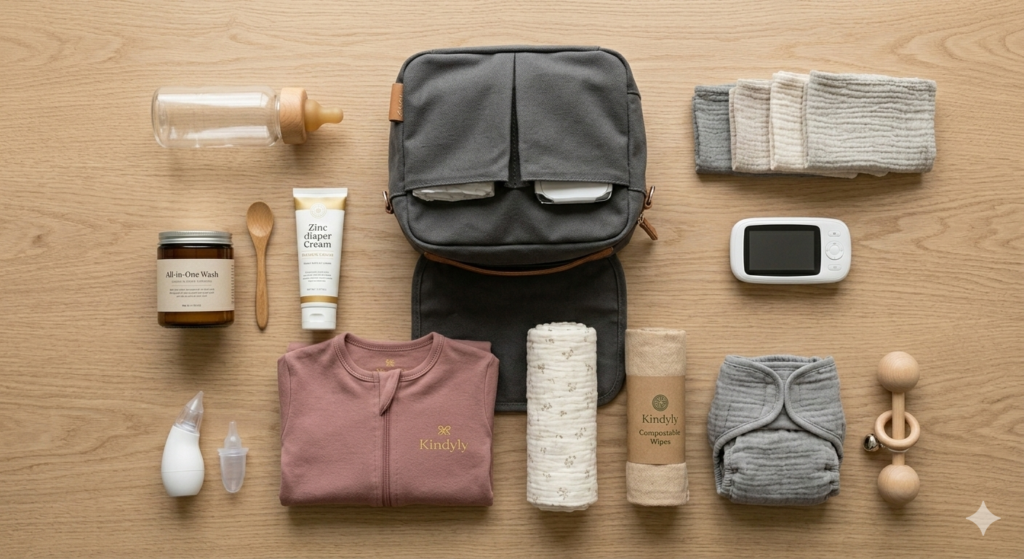
The real waste usually happens when you leave the house. A well-prepped zero-waste diaper bag prevents those emergency runs to buy plastic-wrapped disposables.
Diapering Without the Footprint
While cloth diapering is the gold standard, many 2026 parents use a “hybrid” approach.
- Biodegradable Wipes: Most standard wipes are actually made of plastic fibers. Switching to Kindyly’s plant-based, compostable wipes ensures you aren’t leaving a trail of “forever plastic” with every change.
Eco-Friendly Feeding on the Move
Avoid the “plastic bottle trap.” Heat + plastic = chemical leaching.
- Glass & Silicone: Use tempered glass bottles with natural rubber nipples. They are infinitely recyclable and much easier to sanitize than plastic.
- Reusable Snack Bags: Skip the Ziplocs. Silicone or beeswax wraps are perfect for those toddler years just around the corner.
The Math: Standard vs. Zero-Waste Nursery
The initial cost of high-quality, sustainable items can be higher, but the long-term savings—and the reduced waste—are undeniable.
| Category | Standard Parenting (3 Years) | Zero-Waste Approach (3 Years) |
| Wipes | 15,000+ plastic-based wipes | 100% Biodegradable / Reusable cloth |
| Bottles | 6-10 plastic bottles (replaced) | 3-4 Glass bottles (heirloom quality) |
| Waste | Approx. 500kg to landfill | Under 50kg to landfill |
3 Tips to Transition Without the Stress
- Don’t Purge, Just Replace: If you already have plastic items, use them until they wear out. Throwing away perfectly good items isn’t zero-waste!
- The “Second-Life” Rule: Before buying new, check if the item has a high resale value. This is why GOTS-certified organic cotton is so popular—it holds its value for the second-hand market.
- Choose Concentrates: For baby washes and cleaners, choose Kindyly’s concentrated formulas to reduce the number of plastic bottles shipped to your door.
FAQ: Common Eco-Parenting Questions
Q: Is zero-waste parenting more expensive? Initially, yes. But because the items are higher quality, you buy much less over time. You’re trading “disposable” for “durable.”
Q: Does it take more time? Some parts (like cloth diapering) do. Others, like using glass bottles or organic swaddles, take zero extra time but provide 100% more peace of mind.
Q: How do I know if a brand is actually eco-friendly? Look for certifications like FSC (for wood), GOTS (for cotton), and Leaping Bunny (for skincare). Avoid brands that use vague terms like “natural-inspired” without proof.
Future-Proof Your Parenting with Kindyly
Zero-waste isn’t about being perfect; it’s about making better choices one diaper change at a time. By curating your newborn necessities with the planet in mind, you’re giving your baby the cleanest start possible.
Ready to pack your eco-friendly diaper bag? Browse our [Kindyly Zero-Waste Starter Kit]. We’ve sourced the planet’s best materials so you can focus on what matters: the little human in your arms.